
What Does “Early-Literacy” Actually Mean?
Part One
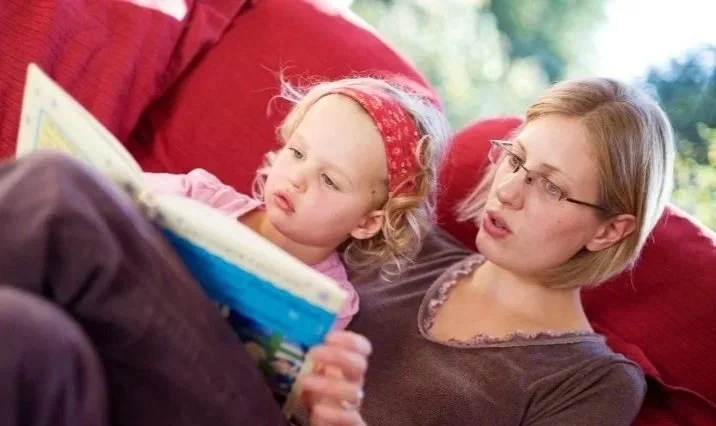
When I talk about early literacy, I’m talking about all the things that help a child become a successful reader eventually — not about teaching them to read before they’re ready. Early literacy is the foundation: the listening, speaking, thinking, and playing skills that give children practice with sounds, words, stories, and books long before they ever decode a sentence.
You can think of early literacy like building a house. Before you can put up walls or hang the doors (learning to read words on a page), you need a strong foundation — things like interest in books, an ear for sounds, and confidence with language.
Early Literacy Includes
1. Listening and Talking
This is the biggest foundation of all.
Talking with your child about their day, listening to their stories, noticing new words — all these grow language skills. Research shows that the quantity and quality of speech children hear from caregivers in early years predicts vocabulary growth and later reading success (Hoff, 2006).
2. Book Enjoyment & Narrative Sense
This is the shared experience of books — pictures, stories, characters, and rhythms. When preschoolers hear stories repeatedly, they learn narrative patterns (beginning, middle, end) and feel comfortable with the idea of books. Children who enjoy storybook reading show better language and comprehension outcomes (Bus, van IJzendoorn, & Pellegrini, 1995).
3. Phonological Awareness
This is just a fancy way of saying your child notices sounds — rhymes, syllables, initial sounds in words. This isn’t about letters yet; it’s about sounds in language. For example, noticing that “cat” and “hat” rhyme or clapping syllables in “banana.” Studies show that phonological awareness skills strongly predict later reading abilities (National Early Literacy Panel, 2008).
4. Print Awareness
This is understanding that print carries meaning: books have titles, we read left to right, labels help us talk about the world. A child who knows that print does something — even before they read — is on solid ground.
There’s more, but for now, I’ll stop at these first four points and pick up again in a later post. But… keep reading!
What Early Literacy Isn’t
This is the part caregivers worry about most: early literacy does not mean you should be teaching your child to read like a first-grader or making sure they can read before kindergarten. It’s not about flashcards, drilling letters, or forcing reading lessons. Those activities don’t build the deep language, motivation, and comprehension skills children need first.
Trying to Teach Reading too Early Can Backfire
I get it — you want your child to succeed. But pushing actual reading (decoding words) before the foundational skills above are in place can have real downsides:
It can steal precious shared moments. Time spent drilling letters is time not spent snuggling with a book, laughing at rhymes, or listening to your child tell you their version of a story — moments you can’t get back.
It can harm motivation. Struggling with reading before a child is ready can make them feel stuck or believe they just aren’t good at reading, even though they haven’t had the chance to build the real foundations.
It misses the point of early language development. Neuroscience and early childhood research agree that rich language experiences in the preschool years are more predictive of later reading achievement than early reading itself (NELP, 2008).
When we focus on language play, joyful book interactions, and sound awareness, we are giving children the true building blocks they’ll tap into when they are developmentally ready to read. And along the way, we’re cherishing these short, magical years before school without turning every moment into a task.
